


Understanding Inflammation: What It Is, What Causes It, and How to Fight Back Naturally
June 24, 2026
Inflammation sometimes gets a bad rap, but it’s actually a normal part of your body’s defense system to help protect you from injury, infection, and illness. When inflammation becomes chronic, however, it can contribute to a wide range of health concerns. Understanding what inflammation is, what causes it, and how diet can influence it may help you make healthier choices every day.
What Is Inflammation?
When your immune system detects something harmful, it releases chemicals that increase blood flow and send protective cells to the affected area. This helps your body heal and recover.
Common signs of inflammation include:
- Redness
- Swelling
- Heat
- Pain
- Loss of function in the affected area
Two types of Inflammation
Acute – Acute inflammation is short-term and typically occurs in response to an injury or infection. For example, if you cut your finger or catch a cold, your body triggers an inflammatory response to help heal the damage and fight off invading germs. Acute inflammation usually resolves once healing is complete.
Chronic – Chronic inflammation is a low-grade inflammatory response that persists over time even when there is no immediate threat. Researchers believe chronic inflammation may play a role in blood sugar, cardiovascular, joint, digestion and other age-related health concerns.
What Causes Inflammation?
- Poor dietary habits
- Excess body weight
- Lack of physical activity
- Chronic stress
- Inadequate sleep
- Smoking
- Excessive alcohol consumption
- Environmental pollutants
- Persistent infections

While some causes are beyond our control, many lifestyle-related factors can be modified to help support a healthier inflammatory response.
What Foods Promote Inflammation?
Refined Sugars – Sugary beverages, candy, and desserts.
Processed Meats – Bacon, sausage, hot dogs, and deli meats often contain preservatives and compounds linked to increased inflammatory markers.
Refined Carbohydrates – White bread, crackers, pastries, and other highly processed grains.
Fried Foods – French fries, fried chicken, and other deep-fried foods.
Trans Fats – Found in some packaged snacks, baked goods, and margarine products, trans fats have been associated with inflammation and cardiovascular concerns.
Highly Processed Foods – Foods containing artificial additives, preservatives, and excessive amounts of sugar, salt, or unhealthy fats.
What Drinks Help Reduce Inflammation?
Water – Staying properly hydrated helps support overall health and allows your body’s systems to function efficiently.
Green Tea -Rich in antioxidants called catechins, green tea has been widely studied for its potential anti-inflammatory benefits.
Turmeric Tea – Turmeric contains curcumin, a natural compound known for its ability to support a healthy inflammatory response.
Ginger Tea – Ginger contains beneficial plant compounds that may help support joint comfort and overall wellness.
Tart Cherry Juice Tart cherries are rich in antioxidants and plant compounds that may help reduce exercise-related soreness and support recovery.
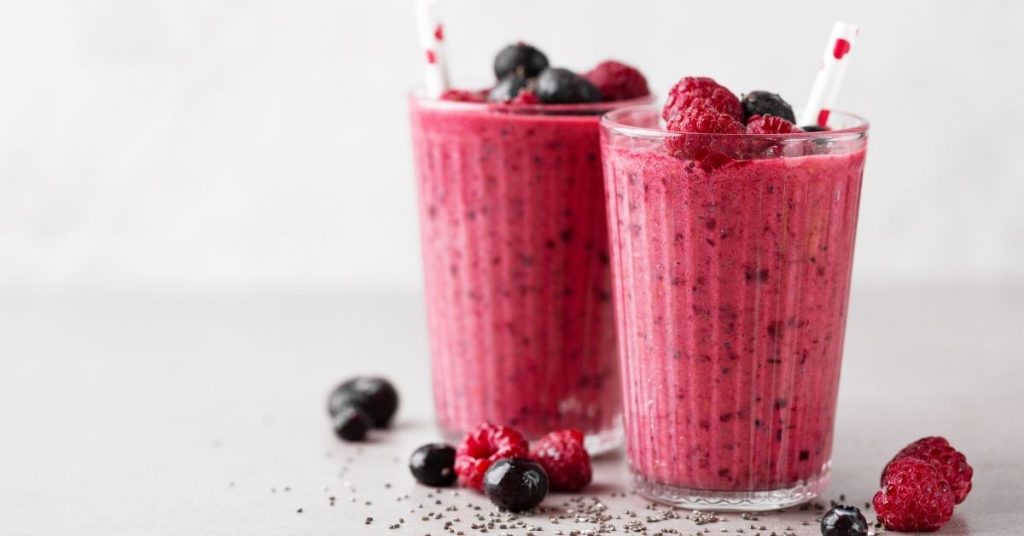
Berry Smoothies – Blueberries, strawberries, and other berries provide antioxidants called anthocyanins that help combat oxidative stress.
Pomegranate Juice -Pomegranate is packed with polyphenols, compounds that help protect cells from oxidative damage.
Supporting a Healthy Inflammatory Response
Small daily choices can make a big difference over time. By focusing on whole foods, hydration, and healthy habits, you can help your body maintain a healthy inflammatory response and support overall wellness for years to come.


